
Home Staging
Vacant vs. Occupied Home Staging
RitZi Stagings · 19 August 2026
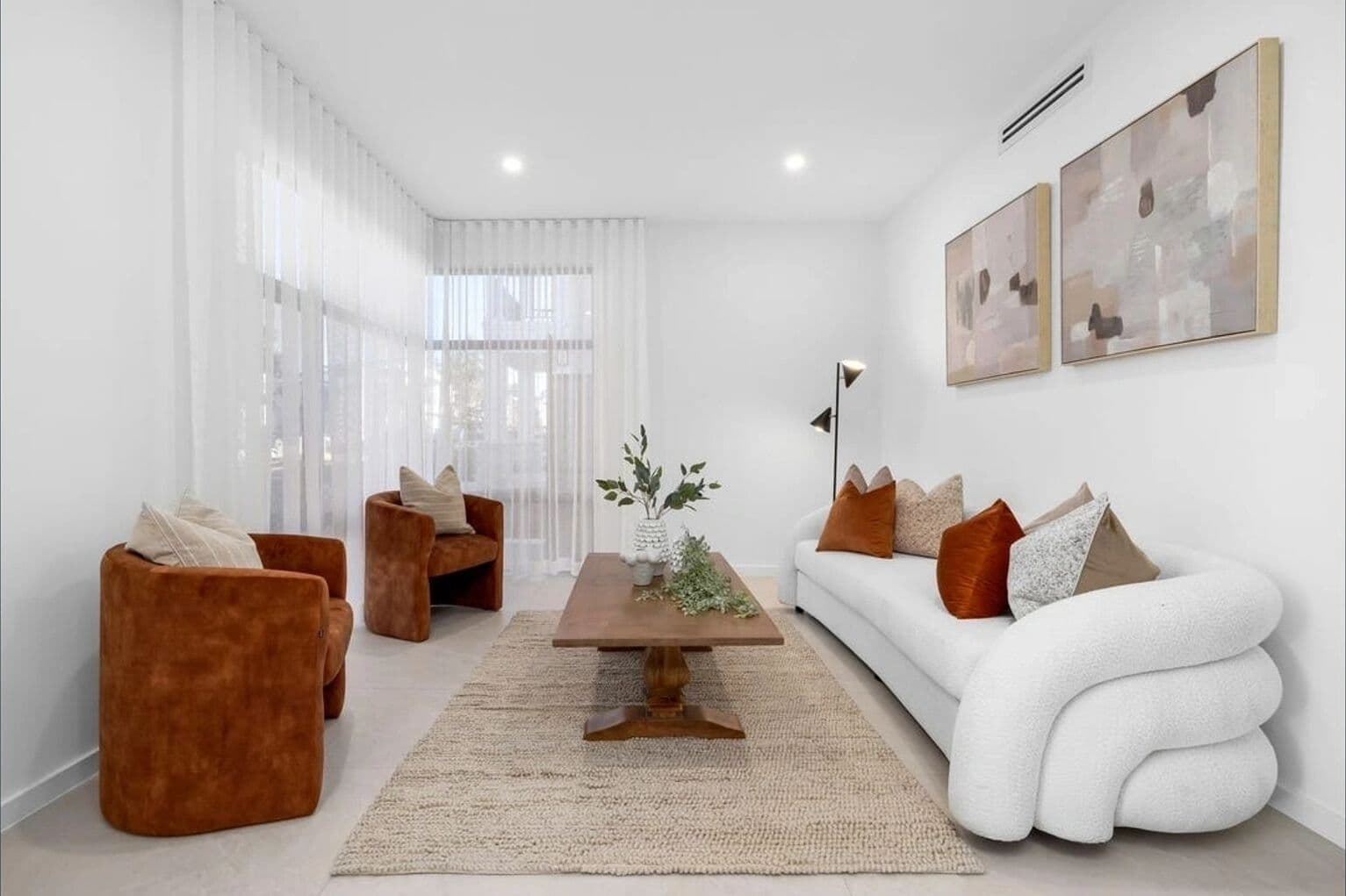
One of the first questions we get from sellers is whether to fully furnish an empty property or work with what's already there. Both approaches can present a home beautifully, but they suit different situations, and picking the wrong one for your circumstances can mean paying for more (or less) than you actually need.
What Vacant Staging Involves
Vacant staging means furnishing a completely empty property from scratch, every room styled with hired furniture, art, and decor chosen specifically to suit the space and its likely buyer. It's the most common approach for investment properties, deceased estates, and new builds where the owner has already relocated.
The advantage is full creative control. Without existing furniture to work around, a stylist can choose pieces that make the most of each room's proportions, light, and flow. Empty rooms also tend to look smaller and less inviting in photos than a properly styled one, so vacant staging often makes the biggest visible difference to how a listing presents online.
What Occupied Staging Involves
Occupied staging works with a property the seller is still living in. Rather than furnishing every room, styling is layered over the existing furniture, decluttering, editing back what's there, rearranging for better flow, and adding selected pieces (cushions, art, styling props, sometimes a statement item like a rug or an armchair) to lift rooms that need it most.
This approach usually costs less than a full vacant fit-out, since it's filling gaps rather than furnishing from zero. It also means less disruption for a family still living day-to-day in the home. The trade-off is that results depend partly on the quality and condition of what's already there. Occupied staging can transform a home, but it can't fully hide dated or worn furniture that stays in view.
Which One Actually Sells Faster?
Neither approach is inherently better; it comes down to which one removes the biggest obstacle for buyers picturing themselves in the home. An empty investment property almost always benefits from vacant staging, since buyers consistently struggle to gauge room size and purpose without any furniture as a reference point. A family home that's already well presented, with good-quality furniture and just a bit too much clutter, may only need occupied styling to look market-ready.
The real risk with either approach is doing it halfway: vacant-staging only the living areas and leaving bedrooms bare, or occupied-styling around furniture that's genuinely holding the listing back. A walkthrough before the campaign starts is worth it either way, so the styling plan actually matches what the property needs.
How to Decide What's Right for Your Property
A few questions tend to make the decision straightforward:
- Is the property already vacant, or will the seller still be living there during the campaign?
- Is the existing furniture in good condition and a reasonable style for the target buyer, or does most of it need to go regardless?
- What's the budget, and does the property's price point justify a full vacant fit-out?
- How much time is there before the first open home? Occupied staging is generally quicker to turn around since less needs to be sourced and delivered.
If you're weighing up which approach makes sense for your listing, we're happy to talk through your specific property and give you a straightforward recommendation.
Ready to style your next listing?
Get a free, no-obligation quote from RitZi Stagings.
Get a Free Quote